




- Free shipping in NL from €45
- Order before 12 PM, shipped same business day
- International shipping
Amsterdam Coffee Festival
9.75


Product Information
Country of origin:
Indonesia, island of Java.
Coffee variety:
100% Arabica, Typica, Washed.
Crop:
2023.
Flavor Indication:
Spicy, speculoos & almond.
Meet the coffee farmer:
Coffee farmer: Management by state-owned PT Perkebunan Nusantara company
Coffee: Java Blawan
Plantation: Blawan
Location: Ijen Plateau, East Java
The coffee farmer:
The coffee plantations of state-owned PT Perkebunan Nusantara employ a large number of people. From the dedicated farmers who care for the coffee plants, to the hardworking workers involved in harvesting and processing the coffee beans - everyone plays a crucial role in producing this spicy coffee that the island of Java is known for.
The plantation and coffee:
Plantations were once established under Dutch colonial rule. After World War II, the government took control of the farms.
Most of Java's Arabica coffee is grown on four major estates on the Ijen Plateau: Blawan, Jampit, Pancoer and Kayumas. BOOT's Java comes from the Blawan plantation. Located at an ideal altitude, it benefits from its elevated position, the plateau microclimate and the incredibly fertile soil created by centuries of volcanic activity.
Organization:
PT Perkebunan Nusantara is a state-owned company with a rich history, specializing in the production of coffee, tea and sugar, and plays a crucial role in Indonesia's economy. The organization is committed to environmentally friendly agricultural practices by minimizing chemical pesticides and promoting biodiversity, helping to protect Indonesia's environment and natural resources.
The name "Java Blawan.
The coffee is named after its country of origin and the Blawan coffee plantation. Java has been known for centuries for its fertile soil, abundant natural resources and agricultural products, giving it the nickname "spice island." Today, Java is still rich in resources, diverse cultures and truly breathtaking natural beauty.
Rick Maas (Quality Controller and Chief Burner):
"During roasting, we put the coffee into the coffee roaster at a slightly lower temperature. Adding little gas and not giving the machine too much flame power allows the coffee to develop slowly. This is how the coffee comes out best. The Java Blawan espresso is special and has a very distinct character. The flavor experience is earthy, spicy and with low acidity. As an espresso, the coffee is powerful in flavor and therefore also perfectly suited to be drunk, for example, with milk as a cappuccino."
Downloads:
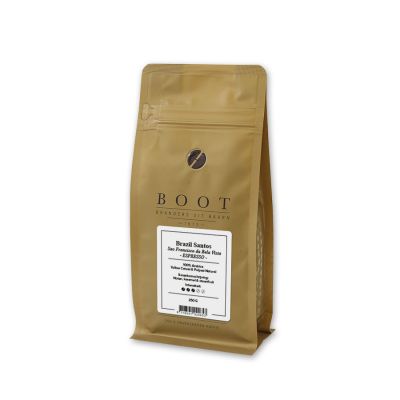

Brazil Santos Espresso
As low as
€8.99


Colombia Kachalu Organic Espresso
As low as
€8.55
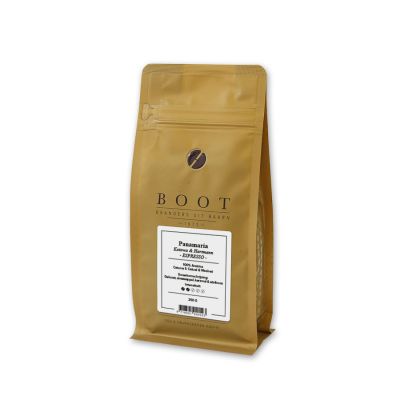
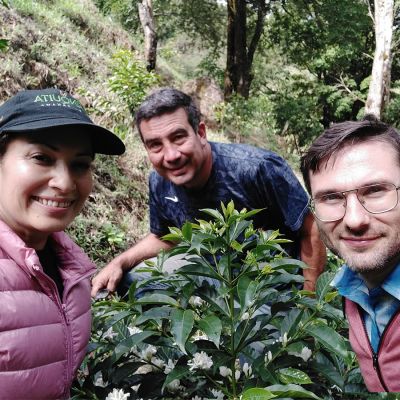
Panamaria Espresso
As low as
€10.50
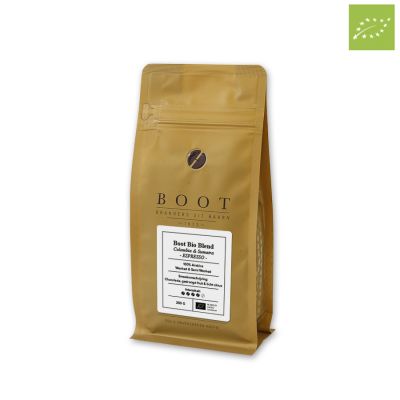
Boot Bio Blend Organic Espresso
As low as
€9.75
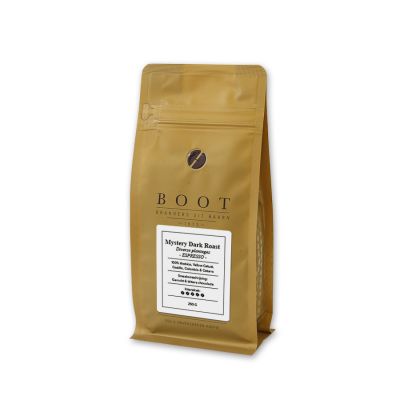
Mystery Dark Roast Espresso
As low as
€9.50

Ethiopia Organic Espresso
As low as
€10.99


Panama Hartmann Birdsong Espresso
As low as
€11.50


Indonesia Sumatra Ketiara Organic Espresso
As low as
€10.50
Colombia Kachalu Decaffeinated Organic Espresso
As low as
€10.75