




The BOOT Annual Report - Review & Outlook
Oct. 14, 2026
- Free shipping in NL from €49
- Order by noon on Mon–Thu, shipped the same day
- International shipping

Ethiopia: The Roots of Coffee
Sep 16, 2026
By
lennardwoering
According to the well-known Ethiopian legend, a goat herder named Kaldi noticed that his goats became unusually energetic after eating the red berries of a certain shrub. Curious, he tried the berries himself. The result: the discovery of coffee.
A nice story. We’re not sure if that’s really how it happened.
What we do know: Ethiopia is the original home of Coffea arabica, the coffee species from which virtually all Arabica coffee in the world originates. The plant originally grew wild here. To this day, wild coffee trees still grow in the forests of southwestern Ethiopia. From Ethiopia, coffee made its way to Yemen, where it was further developed, cultivated, and distributed beginning in the 15th century. From there, coffee slowly conquered the rest of the world.
A fascinating bit of history for something that, for many people today, simply starts with the push of a button on the coffee machine.
No two coffee plants are alike.
But history isn’t the only thing that sets Ethiopia apart. The coffee plant itself is nowhere else as diverse as it is here. Ethiopia boasts an enormous genetic diversity of coffee. Instead of large, uniform plantations with a single selected variety, in many areas different local coffee varieties simply grow intermingled. Hence the term “mixed heirloom”: a collective term for the many, often centuries-old coffee varieties found in Ethiopia.
And that diversity is exactly what makes Ethiopian coffee so interesting. The differences between coffees from various regions are vast: ranging from floral and citrusy to sweet, fruity, spicy, or very full-bodied. The Kafa region is one of the most important areas for wild Arabica. Thousands of wild varieties have even been documented there, making Ethiopia known as a genetic treasure trove for Arabica. That’s what makes the country so special: that genetic diversity is still abundant there.
The tree that isn’t really a tree.
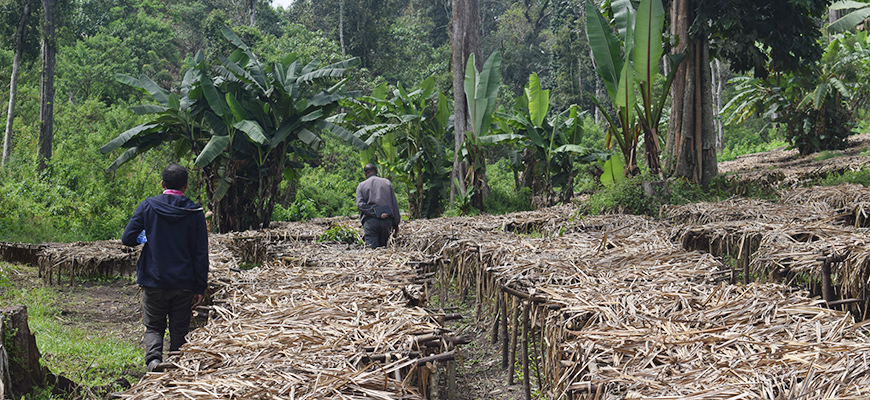
In various parts of Ethiopia, coffee is grown using traditional agroforestry systems. In these systems, coffee does not grow in endless rows of identical plants, but alongside other trees and crops.
Enset (also known as the false banana) plays a special role in this regard. The plant resembles a banana plant. The fruits are not the most important part; it is mainly the stem and root that are used as food. Enset is an important staple food for millions of Ethiopians and is known for its high tolerance to drought.
In the Gedeo region, enset and coffee literally grow together in a layered agricultural system. Tall trees provide shade. Enset grows beneath them. Among the trees, coffee grows alongside other crops. It is a system that is not only efficient but also forms part of the culture and knowledge that have been passed down there for generations. That is precisely why the Gedeo Cultural Landscape has been on the UNESCO World Heritage List since 2023. That is perhaps what makes Ethiopian coffee so remarkable: you’re not looking at a coffee plantation as we often know it, but at a complete ecosystem in which coffee is part of a larger whole.
Incidentally, such an ecosystem doesn’t look the same everywhere. If you head south, you’ll end up in Guji: a region with a story all its own.
Guji: Coffee from the Mountains
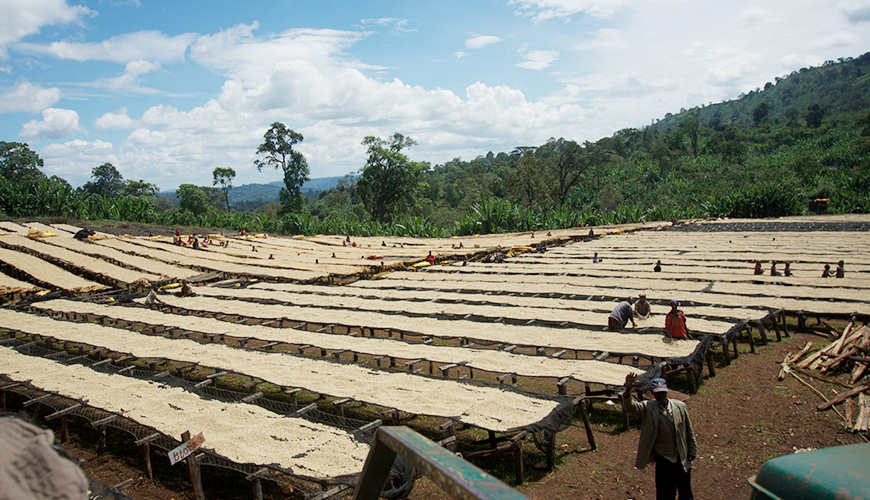
In southern Ethiopia lies Guji, one of the regions where coffee originated. The region is located in the highlands and has conditions that are ideal for coffee: high elevation, a temperate climate, sufficient rainfall, and fertile soil. Equally important, however, is what people here have learned over the years about growing and processing coffee.
Coffee is mostly grown by small farmers, often on plots where coffee grows alongside other trees and crops. Conditions vary by area and even by village. As a result, there are significant differences in flavor even within Guji. That’s exactly what makes Ethiopian coffee so enjoyable to drink: a country, a region, or even a single harvest doesn’t tell the whole story by a long shot.
Here, coffee is more than just coffee
In Ethiopia, coffee plays a much bigger role in daily life than just as a beverage. The traditional coffee ceremony is a great example of this: coffee is roasted, ground, and brewed while people come together and take time for one another. A ceremony traditionally consists of three rounds of coffee. The first is called “abol,” the second “tona,” and the third “baraka,” meaning “blessing.” Drinking coffee is thus primarily a way to welcome guests, share stories, and spend time together. For us, that’s a wonderful way to view coffee.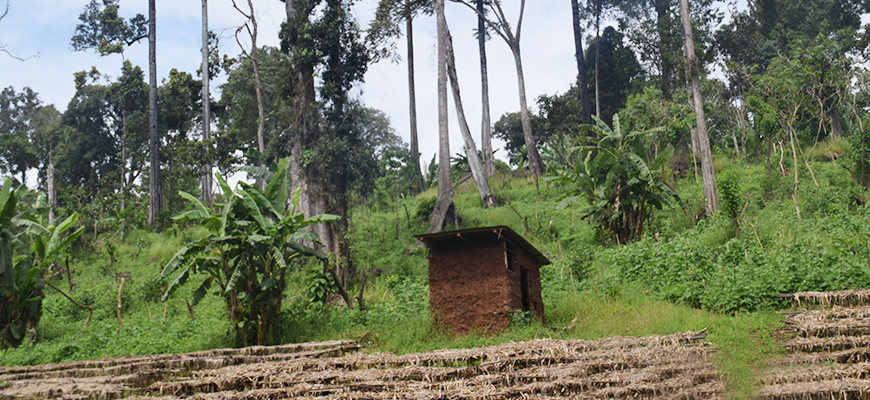
From its origins to your cup
Ethiopia is much more than just the country where coffee originated. It is a country with wild coffee forests, thousands of genetic varieties, centuries-old agricultural knowledge, and regions where coffee is literally part of a larger ecosystem. It is precisely this combination that makes Ethiopian coffee so special.
That’s why this month we’re featuring not one, but two Ethiopian coffees. The Ethiopia Espresso and Ethiopia Filter are our Coffees of the Month. Both are certified organic, and both exemplify—in their own way—what makes Ethiopian coffee so appealing. We also have a Limited Edition from Ethiopia. It’s for those who want to explore a bit further and experience just how great the differences can be within a single coffee-producing country.
Two coffees from one country and one region. Perhaps that’s a good way to get to know Ethiopia: by tasting it.